Roofing Glossary and Roof Anatomy Guide
Know Your Roof: A Homeowner's Guide to Roofing Terms and Components
Your roof is more than a layer of shingles. It is a complete system consisting of structural framing, decking, underlayment, flashing, roofing materials, ventilation, and drainage components. Each part helps protect your home against Colorado Springs weather, from heavy snow and strong winds to summer hailstorms. Understanding these terms can make roofing estimates, inspections, and repairs easier to navigate.
Roof Structure and Anatomy
Decking (Sheathing)
Plywood or oriented strand board (OSB) panels attached to the roof framing provide the foundation for roofing materials.
Colorado connection: Water intrusion and ice damage can deteriorate decking, potentially increasing replacement costs.
Rafters and Trusses
These structural framing components support the roof decking and distribute weight to the building.
Colorado connection: Proper structural support is essential for handling snow accumulation and wind loads.
Eaves, Rakes, Ridges, Hips, and Valleys
Eaves are horizontal roof edges, while rakes are sloped edges. The ridge is the highest horizontal intersection, hips form outward-sloping intersections, and valleys are inward intersections where water collects.
Colorado connection: Eaves and valleys deserve particular attention because of potential Roof Leaks and Ice Dams.

Roof Pitch and Slope
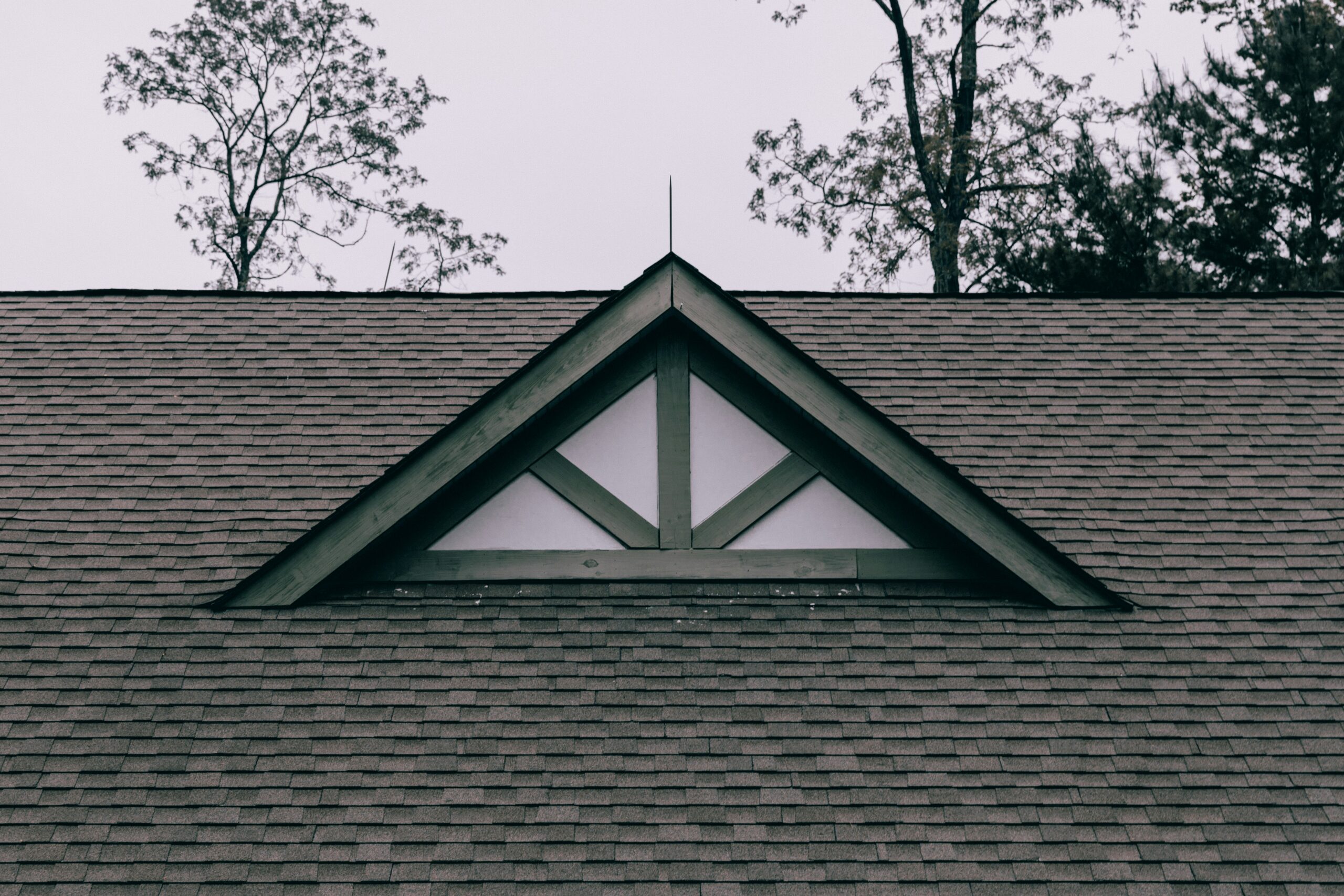
Pitch and slope describe roof steepness. Slope is commonly expressed as vertical rise over 12 inches of horizontal run, while traditional roof pitch compares rise with total span.
Colorado connection: Roof steepness affects snow drainage, material selection, and installation requirements. Explore our Residential Roof Pitch and Commercial Roof Pitch guides.
Roofing Square
One roofing square equals 100 square feet of roof area, a standard measurement used in estimates.
Colorado connection: Understanding squares makes comparing estimates and Roof Replacement Costs easier.
Protective Roofing Layers
Underlayment
A water-resistant or waterproof layer installed between the decking and finished roof covering.
Colorado connection: Underlayment provides secondary protection against moisture reaching the decking.
Ice and Water Shield
A self-adhering waterproof membrane installed in vulnerable areas, commonly around eaves and valleys.
Colorado connection: It helps protect against water backing up beneath roofing materials during freeze-thaw cycles.
Drip Edge
Metal flashing installed along roof edges to direct runoff away from underlying components.
Colorado connection: Proper drainage helps protect fascia and decking from moisture damage.
Testimonials
Flashing
Metal or other approved materials installed around chimneys, skylights, walls, and roof penetrations to redirect water.
Colorado connection: Damaged Roof Flashing can contribute to leaks during snowmelt and storms.
Pipe Boot
A specialized flashing component that seals around plumbing vent pipes.
Colorado connection: Temperature changes can deteriorate certain pipe boot seals, creating potential leak points.
Roofing Materials and Performance Ratings
Architectural and 3-Tab Shingles
Architectural shingles have laminated construction and dimensional appearance, while traditional 3-tab shingles have a flatter, uniform profile.
Colorado connection: Compare Composition Shingle Roofing and Asphalt Shingle Roofing when considering durability and appearance.
Granules
Small mineral particles embedded in asphalt shingles that help protect against sunlight and weather exposure.
Colorado connection: Significant granule loss may indicate aging or storm damage, although some shedding is normal.
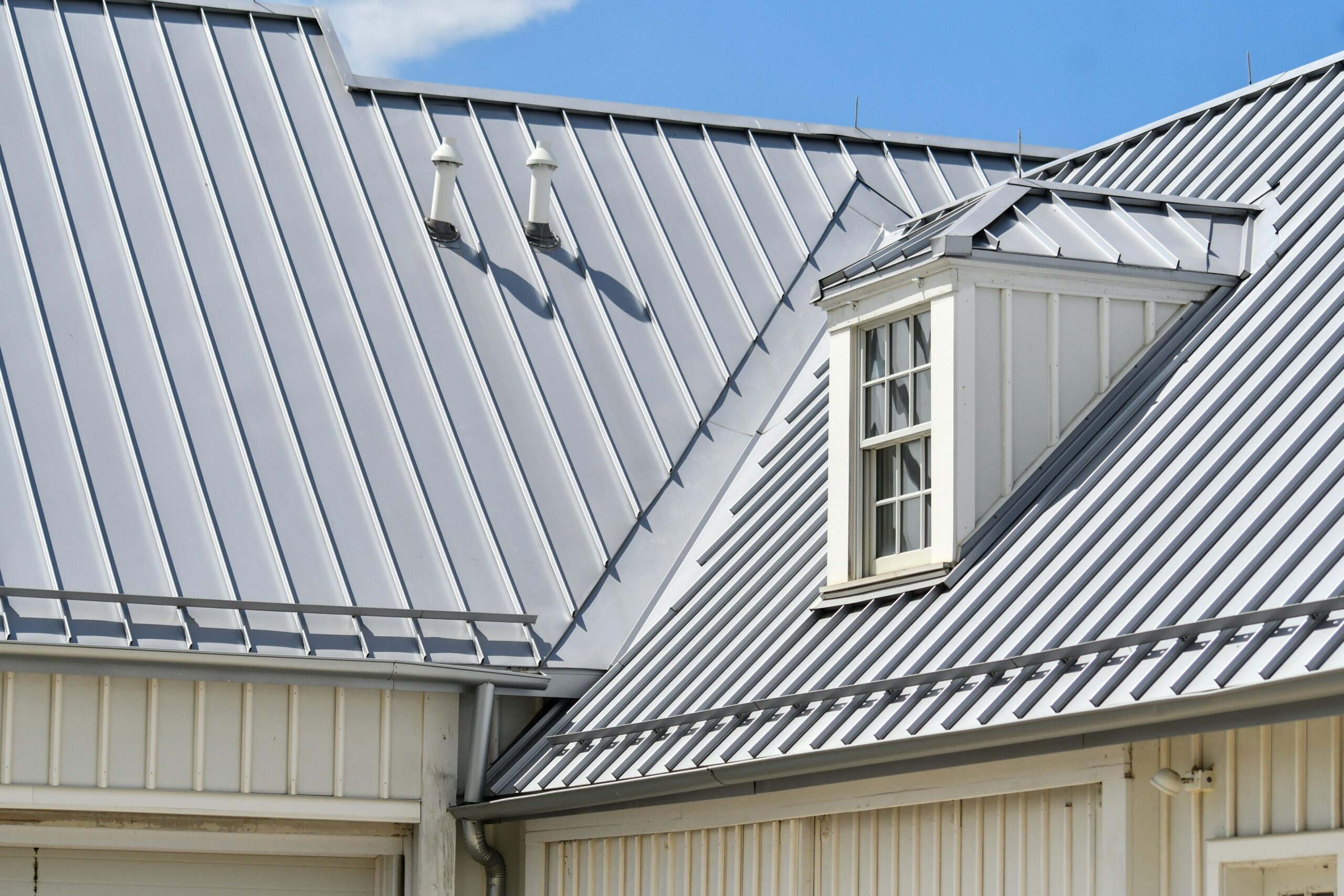
Standing Seam Metal Roofing
A metal roofing system featuring raised seams connecting adjacent panels.
Colorado connection: Standing Seam Roofing offers a durable option for homeowners considering snow-shedding performance.
TPO Roofing
Thermoplastic polyolefin is a single-ply membrane commonly installed on commercial and low-slope roofs.
Colorado connection: TPO Roofing requires appropriate drainage and installation methods for local weather conditions.
Class 4 Impact Rating
The highest impact-resistance classification under the UL 2218 roofing material test.
Colorado connection: Class 4 Impact-Resistant Roofing may provide additional protection against hail, although no roofing material is hailproof.
Class A Fire Rating
The highest classification for roof covering fire resistance under applicable testing standards.
Colorado connection: Class A roofing is particularly relevant to local wildfire preparedness. Learn more about Wildfire-Resistant Roofing.
Ventilation and Drainage Components
Soffit and Fascia
Soffits cover the underside of roof overhangs, while fascia boards finish the roof edge and often support gutters.
Colorado connection: Properly maintained components help protect roof edges from moisture.
Ridge Vent
An exhaust vent near the roof peak that allows warm, moist attic air to escape.
Colorado connection: Effective Attic Ventilation supports moisture management and roof performance.
Intake and Exhaust Ventilation
Intake vents admit outside air, while exhaust vents allow attic air to escape.
Colorado connection: Balanced airflow can help manage attic moisture and temperature. Proper Attic Insulation also plays an important role.
Ice Dam
A ridge of ice that forms when melted snow refreezes near the roof edge, potentially trapping water behind it.
Colorado connection: Our Ice Dam Prevention guide explains how ventilation, insulation, and maintenance can help reduce the risk.
Common Roof Damage and Insurance Terms
Hail Bruising
Impact damage that may affect the underlying asphalt shingle mat without creating an obvious surface puncture.
Colorado connection: Professional inspections can help identify less-visible hail damage.
Curling, Cupping, and Buckling
These terms describe shingles that lift, deform, or develop visible waves.
Colorado connection: Aging, installation problems, and moisture can contribute to these conditions.
ACV and RCV
Actual Cash Value generally accounts for depreciation, while Replacement Cost Value generally covers replacement with comparable new materials, subject to policy terms.
Colorado connection: Our Roof Insurance Terms Explained guide provides more details about hail claims and deductibles.
Roofing Contractor Terms Made Simple
Full tear-off: Removing existing roofing materials before replacement
Dry-in: Installing temporary or permanent weather-protective layers before the finished roof
Cut and replace: Removing a damaged section and installing replacement material
Recover or overlay: Installing a new roof covering over an existing on when permitted
Scope of work: A description of the materials and labor included in the project
Frequently Asked Roofing Questions
What Are the Main Parts of a Roof?
The main components include rafters or trusses, decking, underlayment, flashing, roof coverings, ventilation, and drainage systems.
What Is the Difference Between Flashing and Underlayment?
Underlayment protects the broader decking surface, while flashing redirects water around joints, edges, and penetrations.
What Is a Roofing Square?
A roofing square measures 100 square feet of roof area. Contractors use this measurement to estimate material quantities.
What Does Dry-In Mean?
Dry-in refers to making the roof temporarily weather-resistant with protective materials before the finished roof covering is installed.
Have More Roofing Questions? Ask Tuff Roof!
Understanding roofing terminology helps you make informed decisions about your home. If you encounter an unfamiliar term in an estimate or inspection report, ask the Tuff Roof team. We're here to help Colorado Springs homeowners understand their roofing options and confidently plan their next project.